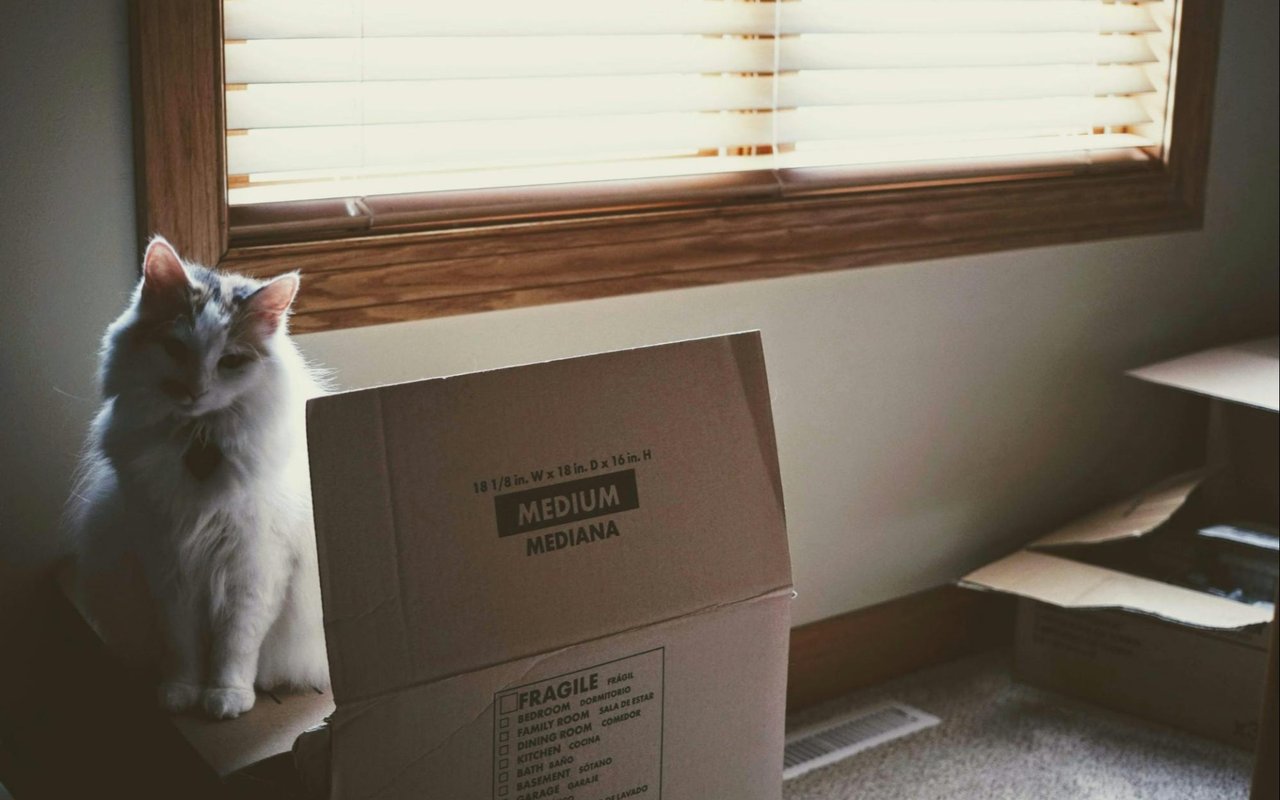
Moving to a new home is always an adventure, but when pets are part of the journey, there are extra details to consider. Pets don’t understand the concept of moving day, so changes to their routine can be stressful.
Whether you’re relocating across town or across the country, preparing your pets properly will help them feel more comfortable. With the right planning, you can make the transition easier for both you and your furry companions.
Taking time to anticipate your pet’s needs, from travel safety to adjusting to a new home, will help you avoid unnecessary stress. You want your pets to feel secure, calm, and cared for as you make this important life change. Here’s a complete guide to preparing for the move, traveling with pets, and ensuring that they settle into their new environment with ease.
Preparing Your Pet Before The Move
Preparation is key when it comes to moving with pets. Animals thrive on routine, and even small changes can cause stress. Before you start packing boxes, think about how your pets might respond to unfamiliar sights and sounds. It’s best to plan early so that they have time to adjust.
Start by keeping their schedule as consistent as possible in the weeks leading up to the move. Feed them at the same times, walk dogs at their usual hours, and give them plenty of playtime. If your pet will be transported in a crate or carrier, introduce it well in advance. Place treats or toys inside so they begin to see it as a safe space. This step is especially important for cats, who may not be as accustomed to travel as dogs.
A visit to the veterinarian is also essential before the move. Make sure your pet is up to date on vaccinations, flea and tick prevention, and any medications they need. If you’re moving to a new city or state, ask your veterinarian for copies of health records and prescriptions. You may also need to check if your new area has specific requirements for pet licensing or vaccinations. Preparing this paperwork in advance will save you time later.
Finally, pack a dedicated “pet box” with the essentials you’ll need right away in your new home. Include food, water bowls, toys, bedding, and any medication. Having these items handy will prevent scrambling when you arrive and will help your pet feel more comfortable during the first days in the new space.
Start by keeping their schedule as consistent as possible in the weeks leading up to the move. Feed them at the same times, walk dogs at their usual hours, and give them plenty of playtime. If your pet will be transported in a crate or carrier, introduce it well in advance. Place treats or toys inside so they begin to see it as a safe space. This step is especially important for cats, who may not be as accustomed to travel as dogs.
A visit to the veterinarian is also essential before the move. Make sure your pet is up to date on vaccinations, flea and tick prevention, and any medications they need. If you’re moving to a new city or state, ask your veterinarian for copies of health records and prescriptions. You may also need to check if your new area has specific requirements for pet licensing or vaccinations. Preparing this paperwork in advance will save you time later.
Finally, pack a dedicated “pet box” with the essentials you’ll need right away in your new home. Include food, water bowls, toys, bedding, and any medication. Having these items handy will prevent scrambling when you arrive and will help your pet feel more comfortable during the first days in the new space.
Managing Moving Day Stress
Moving day can be chaotic, with people coming in and out, boxes stacked high, and furniture shifting around. All this activity can overwhelm pets. It’s important to create a calm environment where they feel safe.
One option is to keep your pet in a quiet room away from the main activity. Set them up with food, water, toys, and bedding. Close the door, and consider leaving on soft music or a white noise machine to drown out loud sounds. This helps reduce stress and prevents your pets from darting out of an open door. Another great choice is to arrange for a trusted friend, pet sitter, or boarding facility to care for your pet during the most hectic hours.
If you’re moving with dogs, remember that they may become excited or anxious when strangers are in the house. Keep them leashed when they’re outside the designated safe room. Cats are especially prone to hiding or escaping during moves, so double-check that windows and doors remain securely closed.
You should also keep routines in place as much as possible, even on moving day. Try to feed and care for your pets at their regular times. These small touches of normalcy can help ground them, even in the middle of all the changes.
One option is to keep your pet in a quiet room away from the main activity. Set them up with food, water, toys, and bedding. Close the door, and consider leaving on soft music or a white noise machine to drown out loud sounds. This helps reduce stress and prevents your pets from darting out of an open door. Another great choice is to arrange for a trusted friend, pet sitter, or boarding facility to care for your pet during the most hectic hours.
If you’re moving with dogs, remember that they may become excited or anxious when strangers are in the house. Keep them leashed when they’re outside the designated safe room. Cats are especially prone to hiding or escaping during moves, so double-check that windows and doors remain securely closed.
You should also keep routines in place as much as possible, even on moving day. Try to feed and care for your pets at their regular times. These small touches of normalcy can help ground them, even in the middle of all the changes.
Traveling With Pets
The actual travel portion of your move is often the most stressful aspect for pets. Whether you’re driving or flying, planning ahead makes the experience much smoother. Think carefully about what will keep your pets secure and comfortable during the trip.
For car travel, secure your pet in a crate or with a properly fitted harness designed for car rides. Pets should never ride unrestrained, as sudden stops or turns can cause injury. Bring a supply of water and plan rest stops if it’s a long drive. Dogs may need breaks to stretch, while cats usually prefer to remain in their carrier until you’ve reached your destination. To keep them calm, line the carrier with a familiar blanket and add a favorite toy.
Flying requires even more preparation. Each airline has its own rules regarding pet travel, and some larger breeds may not be allowed in the cargo hold. Book your tickets early and confirm what documentation is needed. If your pet is small enough, they may be able to travel in the cabin with you. No matter the method, always prioritize their comfort and safety. Avoid sedating pets unless specifically advised by your veterinarian, as it can create complications during travel.
Another helpful step is to prepare an easily accessible “travel bag” for your pet. Include food, treats, water, a collar and leash, and medical records. Having everything close at hand will make the journey more manageable.
For car travel, secure your pet in a crate or with a properly fitted harness designed for car rides. Pets should never ride unrestrained, as sudden stops or turns can cause injury. Bring a supply of water and plan rest stops if it’s a long drive. Dogs may need breaks to stretch, while cats usually prefer to remain in their carrier until you’ve reached your destination. To keep them calm, line the carrier with a familiar blanket and add a favorite toy.
Flying requires even more preparation. Each airline has its own rules regarding pet travel, and some larger breeds may not be allowed in the cargo hold. Book your tickets early and confirm what documentation is needed. If your pet is small enough, they may be able to travel in the cabin with you. No matter the method, always prioritize their comfort and safety. Avoid sedating pets unless specifically advised by your veterinarian, as it can create complications during travel.
Another helpful step is to prepare an easily accessible “travel bag” for your pet. Include food, treats, water, a collar and leash, and medical records. Having everything close at hand will make the journey more manageable.
Helping Pets Adjust To A New Home
Arriving at your new home is exciting, but for your pets, it can be overwhelming. Everything smells different, and the layout is unfamiliar. The first few days are critical for helping them adjust to the space and feel secure.
Start by creating a designated area for your pet right away. For dogs, this might be a quiet corner with their bed and toys. For cats, a smaller room with their litter box, food, and bedding works best. This limited space allows them to acclimate gradually rather than being overwhelmed by the entire house at once. Once they seem comfortable, you can slowly expand their access to other rooms.
Stick to familiar routines in your new home. Feed your pets at the same times as before and maintain regular walks or play sessions. These consistent patterns provide comfort during the adjustment period. Spend extra time with them so they feel reassured, whether that’s through cuddles, brushing, or playtime.
Be patient. Some pets may adjust within a few days, while others may take weeks. Watch for signs of stress, such as changes in appetite or behavior. If you’re concerned, consult your new veterinarian for guidance.
Start by creating a designated area for your pet right away. For dogs, this might be a quiet corner with their bed and toys. For cats, a smaller room with their litter box, food, and bedding works best. This limited space allows them to acclimate gradually rather than being overwhelmed by the entire house at once. Once they seem comfortable, you can slowly expand their access to other rooms.
Stick to familiar routines in your new home. Feed your pets at the same times as before and maintain regular walks or play sessions. These consistent patterns provide comfort during the adjustment period. Spend extra time with them so they feel reassured, whether that’s through cuddles, brushing, or playtime.
Be patient. Some pets may adjust within a few days, while others may take weeks. Watch for signs of stress, such as changes in appetite or behavior. If you’re concerned, consult your new veterinarian for guidance.
Prepare For The Journey
Moving with pets requires more planning, patience, and care than moving on your own. By preparing early, keeping routines consistent, and creating a safe environment, you can make the process smoother for your furry companions. Moving is a fresh start, and with thoughtful planning, it can be a positive experience for your pets, too.
If you and your pets are ready to begin the journey, explore Queen Creek, AZ, real estate with the Openshaw Real Estate Group by your side.
If you and your pets are ready to begin the journey, explore Queen Creek, AZ, real estate with the Openshaw Real Estate Group by your side.