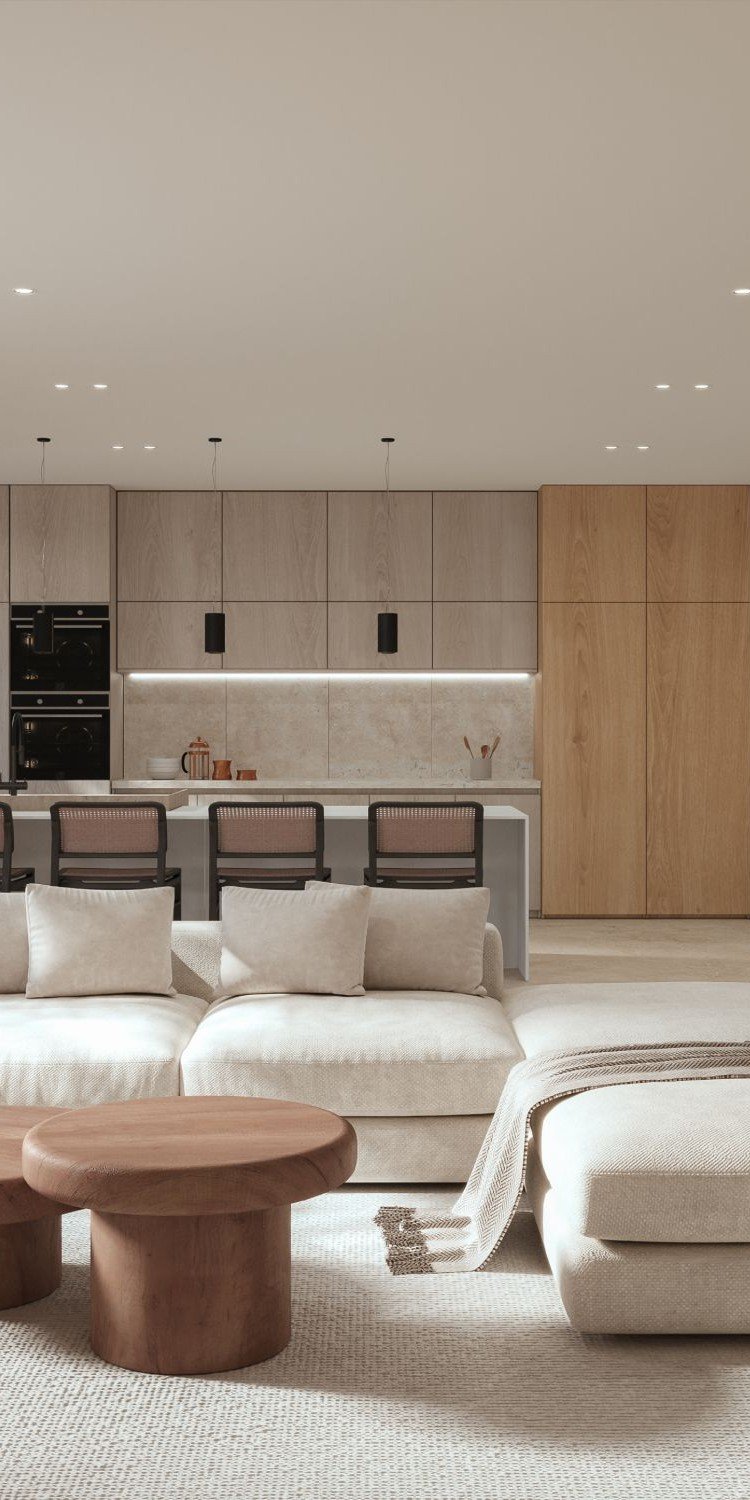
Technology has steadily reshaped the way you live, work, and interact with your surroundings, and nowhere is that more apparent than in the modern home. The concept of a “smart home” has evolved far beyond simple convenience; it now represents a way to create a more responsive and intuitive living experience. By connecting multiple systems under one integrated network, you can control lighting, temperature, entertainment, and even appliances with a single command or automated routine.
In recent years, smart home systems have become more accessible and user-friendly, moving from luxury gadgets to essential household tools. What makes these systems truly transformative isn’t just their connectivity; it’s the way they learn and adapt to your daily habits. A well-designed system can anticipate your needs, simplify tasks, and provide greater comfort in every room.
The challenge, of course, lies in understanding which features are truly worth the investment. While there are countless devices and technologies available, certain capabilities stand out as essential. These features ensure that your smart home system delivers real value, combining convenience, efficiency, and innovation in ways that make everyday life easier and more enjoyable.
Seamless Device Integration
One of the most critical features of any smart home system is how well it integrates your various devices. You don’t want to juggle multiple apps or platforms every time you want to adjust your lights or play music. Instead, your system should unify everything into one intuitive ecosystem where devices communicate effortlessly.
This kind of integration goes beyond mere compatibility. A high-performing system coordinates lighting, entertainment, heating, and appliances in a way that feels natural. For instance, when you say “movie night,” your home could automatically dim the lights, lower the blinds, and start your preferred streaming service. That’s the kind of smooth coordination that makes a smart home feel truly intelligent.
This kind of integration goes beyond mere compatibility. A high-performing system coordinates lighting, entertainment, heating, and appliances in a way that feels natural. For instance, when you say “movie night,” your home could automatically dim the lights, lower the blinds, and start your preferred streaming service. That’s the kind of smooth coordination that makes a smart home feel truly intelligent.
Voice and App Control
Ease of control is at the heart of a useful smart home system. Voice assistants like Alexa, Google Assistant, or Siri have become standard tools for managing your home without lifting a finger. Being able to say “turn off the kitchen lights” or “set the thermostat to 70 degrees” brings a level of convenience that quickly becomes second nature.
However, while voice control is convenient, app-based control is equally important. A well-designed mobile app allows you to adjust your home’s systems from anywhere, whether you’re relaxing on the couch or traveling across the country. Imagine being able to start your washing machine, preheat your oven, or adjust your air conditioning with a simple tap on your phone.
The most advanced systems offer customizable scenes or routines through their apps. You can set a “morning routine” that opens the blinds, turns on the coffee maker, and adjusts the lighting to match the sunrise. These small touches create a smoother, more personalized experience every day.
However, while voice control is convenient, app-based control is equally important. A well-designed mobile app allows you to adjust your home’s systems from anywhere, whether you’re relaxing on the couch or traveling across the country. Imagine being able to start your washing machine, preheat your oven, or adjust your air conditioning with a simple tap on your phone.
The most advanced systems offer customizable scenes or routines through their apps. You can set a “morning routine” that opens the blinds, turns on the coffee maker, and adjusts the lighting to match the sunrise. These small touches create a smoother, more personalized experience every day.
Intelligent Lighting Systems
Lighting is one of the most transformative elements of a smart home. Intelligent lighting systems go far beyond simple dimming or color changes; they can adapt dynamically to your schedule, mood, and even the time of day.
With a properly configured lighting system, you can wake up to soft, warm light that gradually brightens to mimic the sunrise, helping you start your day more naturally. In the evening, your lights can automatically adjust to cooler tones that promote relaxation and better sleep. You can also create zones throughout your home, tailoring brightness and color for each activity, from cooking in the kitchen to reading in the living room.
These systems also offer convenience when paired with motion sensors or geolocation. Lights can turn on as you enter a room and switch off when you leave or adjust automatically when you’re on your way home. Over time, your system can adapt to your routines and anticipate your needs, creating an atmosphere that feels perfectly tuned to your lifestyle.
With a properly configured lighting system, you can wake up to soft, warm light that gradually brightens to mimic the sunrise, helping you start your day more naturally. In the evening, your lights can automatically adjust to cooler tones that promote relaxation and better sleep. You can also create zones throughout your home, tailoring brightness and color for each activity, from cooking in the kitchen to reading in the living room.
These systems also offer convenience when paired with motion sensors or geolocation. Lights can turn on as you enter a room and switch off when you leave or adjust automatically when you’re on your way home. Over time, your system can adapt to your routines and anticipate your needs, creating an atmosphere that feels perfectly tuned to your lifestyle.
Climate Control and Comfort Automation
Your home’s temperature plays a significant role in how comfortable you feel throughout the day. That’s why climate control automation is an essential feature of any smart home system. A smart thermostat can learn your schedules, track weather conditions, and adjust accordingly — ensuring your home is always at the right temperature when you arrive.
Modern thermostats also allow for zone-based control, meaning that you can manage temperatures in different areas independently. If you spend most of your time in the living room during the day, your system can direct more energy there while keeping other rooms cooler. This not only enhances comfort but also conserves energy.
Beyond temperature, monitoring for humidity and air quality is becoming increasingly popular. Some systems even include air sensors that track pollutants or allergens and communicate with purifiers or ventilation systems to maintain a healthy indoor environment. It’s an effortless way to ensure your home’s atmosphere is as refreshing as it is comfortable.
Modern thermostats also allow for zone-based control, meaning that you can manage temperatures in different areas independently. If you spend most of your time in the living room during the day, your system can direct more energy there while keeping other rooms cooler. This not only enhances comfort but also conserves energy.
Beyond temperature, monitoring for humidity and air quality is becoming increasingly popular. Some systems even include air sensors that track pollutants or allergens and communicate with purifiers or ventilation systems to maintain a healthy indoor environment. It’s an effortless way to ensure your home’s atmosphere is as refreshing as it is comfortable.
Smart Entertainment and Audio Systems
Entertainment is another cornerstone of smart home living. Imagine being able to control music, TV, and streaming services in every room from a single app or voice command. Multi-room audio systems let you synchronize playlists throughout the house or enjoy different music in separate spaces.
With smart speakers and soundbars, you can instantly create an immersive audio experience without needing multiple remotes or complicated setups. Some systems even integrate with your lighting and window treatments, allowing you to create the perfect ambiance for watching movies, hosting parties, or simply relaxing after a long day.
Smart entertainment systems also offer robust customization. You can set up profiles for each person in your household, ensuring that everyone has access to their favorite shows, playlists, and streaming services. The result is a seamless entertainment experience that feels tailored to your preferences.
With smart speakers and soundbars, you can instantly create an immersive audio experience without needing multiple remotes or complicated setups. Some systems even integrate with your lighting and window treatments, allowing you to create the perfect ambiance for watching movies, hosting parties, or simply relaxing after a long day.
Smart entertainment systems also offer robust customization. You can set up profiles for each person in your household, ensuring that everyone has access to their favorite shows, playlists, and streaming services. The result is a seamless entertainment experience that feels tailored to your preferences.
Centralized Control Hub
At the core of any efficient smart home system is a centralized hub — a single interface that brings everything together. Whether it’s a dedicated touchscreen panel or a mobile dashboard, this hub allows you to control all connected devices from one place.
A centralized system simplifies daily management, allowing you to monitor energy usage, adjust lighting scenes, or activate pre-set routines with just a few taps. It also reduces the frustration of switching between multiple apps or devices. For homeowners who love precision and customization, some systems even allow you to program complex automation sequences that link multiple actions together.
The ideal control hub should offer flexibility, a user-friendly design, and reliable connectivity. It becomes the brain of your home, orchestrating every system to work in harmony.
A centralized system simplifies daily management, allowing you to monitor energy usage, adjust lighting scenes, or activate pre-set routines with just a few taps. It also reduces the frustration of switching between multiple apps or devices. For homeowners who love precision and customization, some systems even allow you to program complex automation sequences that link multiple actions together.
The ideal control hub should offer flexibility, a user-friendly design, and reliable connectivity. It becomes the brain of your home, orchestrating every system to work in harmony.
Creating a Truly Intelligent Living Space
A truly smart home is more than just a collection of gadgets; it’s an ecosystem designed to enhance your everyday life. The most valuable systems work quietly in the background, anticipating your needs and simplifying tasks so you can focus on what matters most. From seamless integration to intelligent automation, every feature plays a part in making your space more comfortable, efficient, and enjoyable.
If you’re ready to begin the journey and find the right fit, explore Queen Creek, AZ, real estate with the Openshaw Real Estate Group today.
If you’re ready to begin the journey and find the right fit, explore Queen Creek, AZ, real estate with the Openshaw Real Estate Group today.