Improving the energy efficiency of your home is one of the smartest investments you can make. At the same time, you can save money on utility bills, reduce waste, and increase the long-term value of your property.
Many homeowners assume that efficiency upgrades require expensive overhauls, but the truth is that small, targeted improvements can have a noticeable impact. By focusing on areas where your home loses energy or wastes resources, you can achieve noticeable savings without stretching your budget.
This guide will explore several cost-effective strategies you can implement right away, along with upgrades that pay for themselves over time. Whether you want to cut down on heating and cooling costs, reduce your water usage, or simply make your home more comfortable, these steps will give you clear direction and practical ideas.
Upgrade Lighting To Energy-Efficient Bulbs
Switching to energy-efficient lighting is one of the easiest and most affordable steps you can take. Traditional incandescent bulbs consume a surprising amount of electricity and need frequent replacement. Modern LED bulbs, on the other hand, use significantly less energy and last much longer. That means fewer trips to the store and lower monthly bills.
The best part is how accessible LEDs have become. You can find them in a broad range of brightness levels and colors, making it easy to choose the right mood for each room. From warm tones in the living room to daylight hues in your kitchen or office, these bulbs adapt to your needs.
Many homeowners worry about upfront costs, but LEDs have dropped notably in price. Even if you replace just a few bulbs at a time, you’ll quickly notice the difference on your electricity bill. Over the course of a year, this simple switch can save you, making it one of the most cost-effective changes available.
The best part is how accessible LEDs have become. You can find them in a broad range of brightness levels and colors, making it easy to choose the right mood for each room. From warm tones in the living room to daylight hues in your kitchen or office, these bulbs adapt to your needs.
Many homeowners worry about upfront costs, but LEDs have dropped notably in price. Even if you replace just a few bulbs at a time, you’ll quickly notice the difference on your electricity bill. Over the course of a year, this simple switch can save you, making it one of the most cost-effective changes available.
Seal Air Leaks And Add Weatherstripping
Heating and cooling account for a large share of your energy usage. Unfortunately, many houses lose a surprising amount of conditioned air through small leaks around windows, doors, and even electrical outlets. This forces your system to work harder, driving up costs and wearing down equipment all at once.
Sealing these gaps with caulk and adding weatherstripping around doors is an inexpensive solution with remarkable results. You don’t need professional tools to do the job; basic supplies from a hardware store will be enough. The difference in comfort is immediate.
Beyond doors and windows, don’t forget other common leak points like recessed lighting and vents. Taking a weekend to address these issues can help your home maintain a more consistent temperature while cutting down on energy waste. Even small changes like installing a door sweep can contribute to long-term savings.
Sealing these gaps with caulk and adding weatherstripping around doors is an inexpensive solution with remarkable results. You don’t need professional tools to do the job; basic supplies from a hardware store will be enough. The difference in comfort is immediate.
Beyond doors and windows, don’t forget other common leak points like recessed lighting and vents. Taking a weekend to address these issues can help your home maintain a more consistent temperature while cutting down on energy waste. Even small changes like installing a door sweep can contribute to long-term savings.
Upgrade To A Programmable Or Smart Thermostat
Temperature control is one of the areas where technology can save you the most money. Programmable thermostats allow you to set heating and cooling schedules that match your daily routine. For example, if you’re away from home during the day, the system automatically lowers energy use and then adjusts again before you return.
Smart thermostats take it even further by learning and adapting to your preferences over time. They connect to apps on your phone so that you can adjust settings remotely if your plans change. Some models even track local weather to anticipate changes in temperature and adjust accordingly.
These devices are surprisingly affordable, and utility companies may even offer rebates for upgrading. The savings add up quickly because heating and cooling systems won’t run unnecessarily. For homeowners who want a simple way to reduce energy waste without making structural changes, a programmable thermostat is one of the most effective options available.
Smart thermostats take it even further by learning and adapting to your preferences over time. They connect to apps on your phone so that you can adjust settings remotely if your plans change. Some models even track local weather to anticipate changes in temperature and adjust accordingly.
These devices are surprisingly affordable, and utility companies may even offer rebates for upgrading. The savings add up quickly because heating and cooling systems won’t run unnecessarily. For homeowners who want a simple way to reduce energy waste without making structural changes, a programmable thermostat is one of the most effective options available.
Improve Insulation For Long-Term Savings
Insulation is often overlooked because it hides behind walls and ceilings, but it plays one of the most critical roles in energy efficiency. Poor insulation means that your heating and cooling systems have to work overtime, costing you more each month.
While insulation projects typically require a more substantial upfront investment than replacing the lightbulbs, the payoff is significant. Many homeowners recoup their costs within a few years through reduced utility bills. For those who want a smaller starting point, even just insulating the pipes and water heaters with affordable wrap kits can reduce heat loss and improve efficiency.
While insulation projects typically require a more substantial upfront investment than replacing the lightbulbs, the payoff is significant. Many homeowners recoup their costs within a few years through reduced utility bills. For those who want a smaller starting point, even just insulating the pipes and water heaters with affordable wrap kits can reduce heat loss and improve efficiency.
Focus On Energy-Efficient Appliances
Household appliances are another area where energy efficiency makes a world of difference. Older refrigerators, dishwashers, and washing machines often consume far more electricity and water than newer models. Upgrading to appliances with the Energy Star label ensures they meet strict efficiency standards and can significantly lower your monthly expenses.
Of course, replacing an appliance is a bigger investment. If you’re not ready for a full upgrade, there are still smaller steps you can take. Running full loads in your dishwasher or washing machine, cleaning the lint from your dryer regularly, and unplugging small appliances when not in use all contribute to savings.
When the time does come to replace a major appliance, choosing an energy-efficient model ensures that you’re not only lowering your utility bills but also adding value to your home. Prospective buyers often view efficient appliances as a major bonus, which can give your property an edge in the market.
Of course, replacing an appliance is a bigger investment. If you’re not ready for a full upgrade, there are still smaller steps you can take. Running full loads in your dishwasher or washing machine, cleaning the lint from your dryer regularly, and unplugging small appliances when not in use all contribute to savings.
When the time does come to replace a major appliance, choosing an energy-efficient model ensures that you’re not only lowering your utility bills but also adding value to your home. Prospective buyers often view efficient appliances as a major bonus, which can give your property an edge in the market.
Maintain Your Heating And Cooling Systems
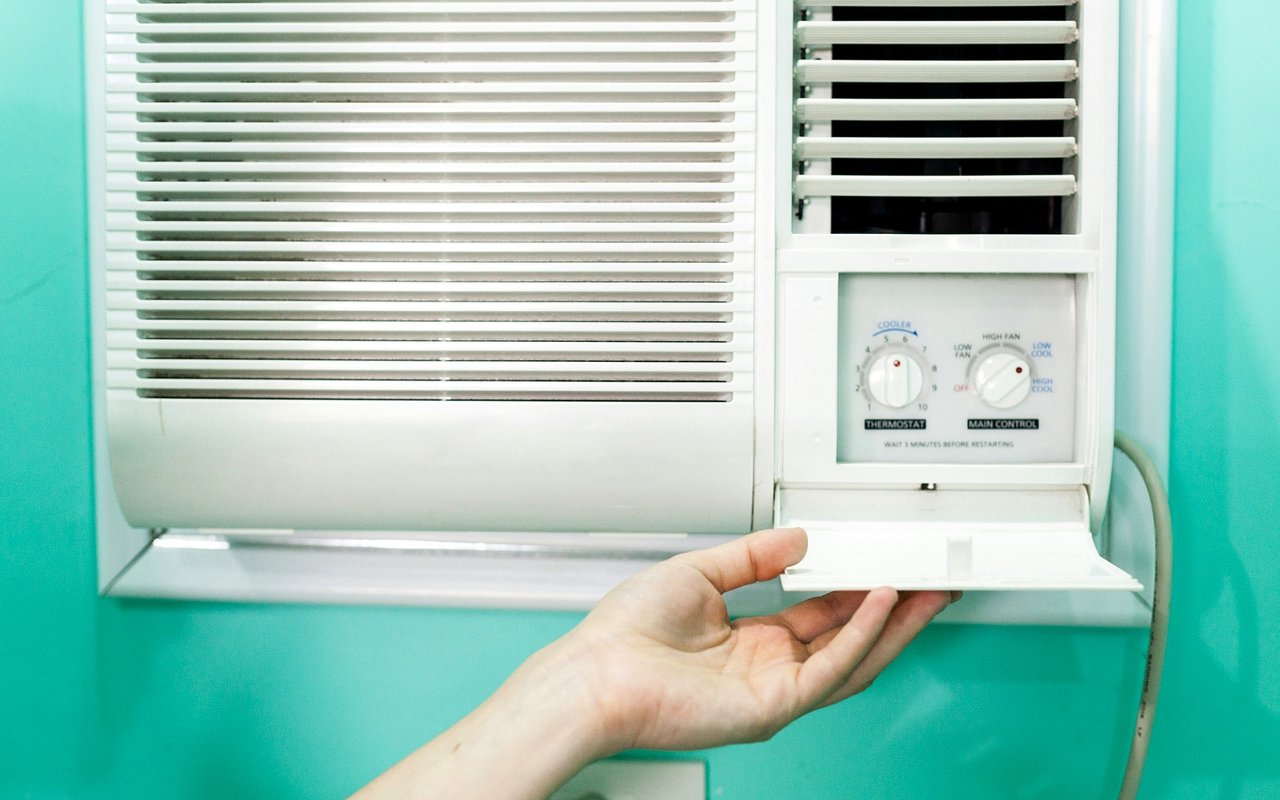
Your heating and cooling systems are at the heart of energy usage, so keeping them in top condition is essential. Regular maintenance ensures they operate efficiently and last longer, preventing costly breakdowns.
Simple steps — like replacing the air filters every one to three months — can help to keep airflow steady and reduce strain on the system. Scheduling annual tune-ups with a technician allows you to catch minor issues before they turn into expensive repairs. A well-maintained system uses less energy, which directly impacts your monthly bills.
If your system is more than 15 years old, upgrading to a newer model may eventually be the best investment. Modern units are designed with efficiency in mind and often deliver substantial savings compared to older equipment. Whether you’re maintaining your current system or planning an upgrade, prioritizing HVAC efficiency is one of the smartest ways to control long-term costs.
Simple steps — like replacing the air filters every one to three months — can help to keep airflow steady and reduce strain on the system. Scheduling annual tune-ups with a technician allows you to catch minor issues before they turn into expensive repairs. A well-maintained system uses less energy, which directly impacts your monthly bills.
If your system is more than 15 years old, upgrading to a newer model may eventually be the best investment. Modern units are designed with efficiency in mind and often deliver substantial savings compared to older equipment. Whether you’re maintaining your current system or planning an upgrade, prioritizing HVAC efficiency is one of the smartest ways to control long-term costs.
Optimize Window Treatments For Efficiency
Windows can be one of the most notable sources of heat gain and loss in a home. Adding the right window treatments helps control indoor temperature and reduces reliance on heating and cooling systems.
Thermal curtains or cellular shades, for example, provide insulation that keeps warm air inside during the winter and blocks heat from entering during the summer. These treatments are affordable, widely available, and easy to install.
Another option is using reflective films on windows to reduce solar heat. This is particularly helpful in warmer climates like Arizona, where air conditioning costs run high. By optimizing your window treatments, you can make your home more comfortable while reducing energy waste in a cost-effective way.
Thermal curtains or cellular shades, for example, provide insulation that keeps warm air inside during the winter and blocks heat from entering during the summer. These treatments are affordable, widely available, and easy to install.
Another option is using reflective films on windows to reduce solar heat. This is particularly helpful in warmer climates like Arizona, where air conditioning costs run high. By optimizing your window treatments, you can make your home more comfortable while reducing energy waste in a cost-effective way.
Achieve Your Homeownership Goals
Making your house more energy efficient doesn’t require major renovations or huge expenses. By focusing on small, targeted changes, you can significantly reduce your energy use and monthly bills.
With these cost-effective strategies, you can transform your house into a home that’s efficient and more enjoyable to live in. If you’re ready to begin the journey, explore Queen Creek, AZ, real estate with the Openshaw Real Estate Group today.
With these cost-effective strategies, you can transform your house into a home that’s efficient and more enjoyable to live in. If you’re ready to begin the journey, explore Queen Creek, AZ, real estate with the Openshaw Real Estate Group today.