By Openshaw Real Estate Group
A home renovation done well is one of the best investments a homeowner can make. A renovation done poorly — without a clear scope, a realistic budget, the right contractors, or a plan for living through it — can be one of the most stressful and expensive experiences of homeownership. We work with buyers and sellers across Gilbert, Queen Creek, Chandler, and the East Valley who are constantly navigating renovation decisions, and the difference between projects that go smoothly and ones that don't almost always comes down to how much work was done before anything started.
Key Takeaways
- Successful renovations are planned thoroughly before a single contractor is hired or a wall is touched
- In 2026, renovation costs in the Phoenix metro remain elevated — having a detailed scope and budget buffer before you start protects you from the most common sources of overruns
- Kitchen and primary living space renovations continue to deliver the strongest return on investment for homeowners planning to sell
- Arizona-specific considerations — heat-resilient materials, outdoor living extensions, water efficiency, and energy costs — should factor into every renovation plan
Step 1: Define the Full Scope Before You Start
The most expensive thing you can do on a renovation is change your mind mid-project. Every scope addition after work has started costs more than it would have in the planning phase — sometimes two to three times more, because walls are open, materials have been ordered, and your contractor's schedule is already set.
How to establish a complete scope before construction begins:
- Walk through every space you're touching and make decisions about finishes, fixtures, and layout before you sign any contract
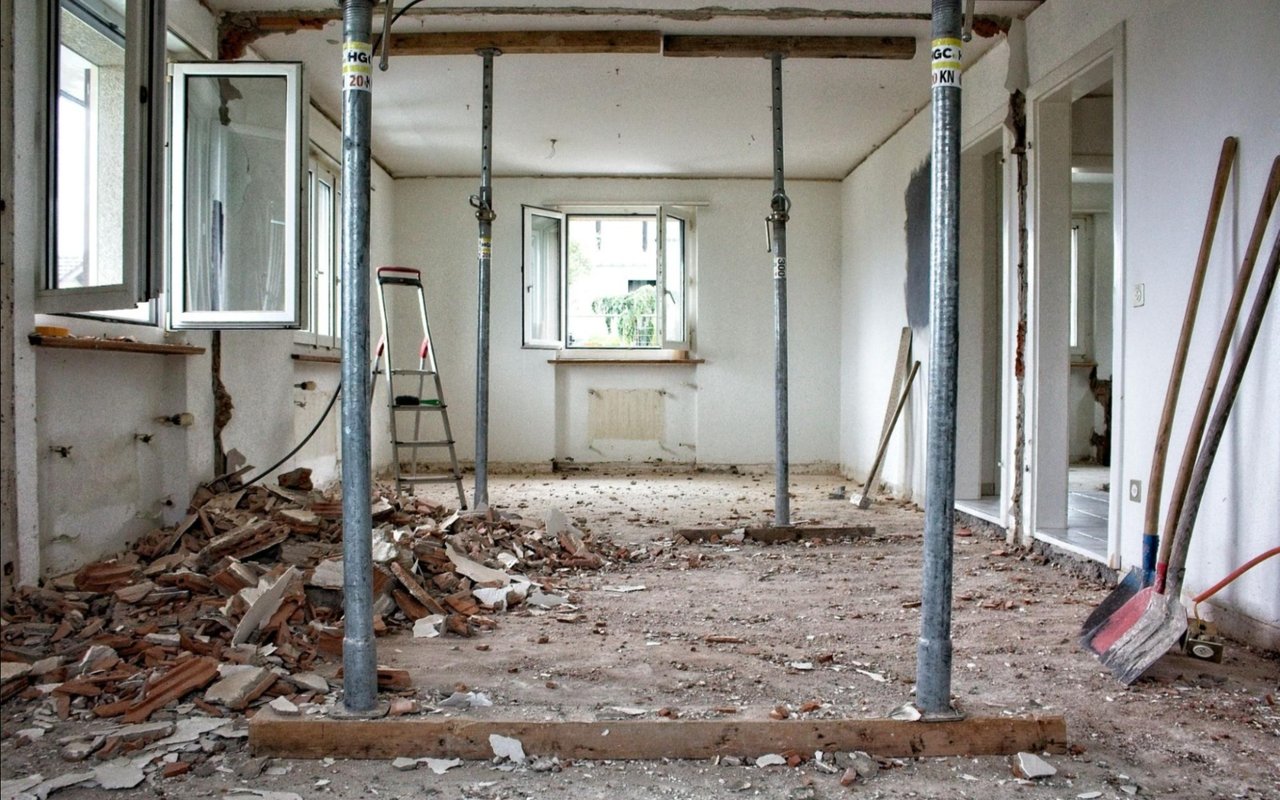
- Identify which decisions are structural (wall removal, plumbing relocation, electrical panel upgrades) and which are cosmetic — structural decisions need to come first because they affect everything downstream
- Create a written scope document that your contractor signs off on before work begins, listing every line item
- Build in decisions about lighting, outlets, and switches while walls are open — adding these after the fact is a significantly more expensive exercise
- For larger renovations, work with a designer or architect to produce drawings before hiring a general contractor — firms that build from complete plans have far fewer change orders and overruns
The planning phase is the cheapest phase. Every hour spent there is worth multiples of the same time spent after construction starts.
Step 2: Budget Realistically and Build in a Buffer
Renovation costs in the Phoenix metro and East Valley have remained elevated coming out of the past few years. Material costs fluctuate, labor is in demand, and tariffs on imported materials — including cabinetry — have added cost pressure that wasn't a factor in earlier renovation cycles.
How to budget for a remodel in the current Arizona market:
- Get at least three competitive bids for any project over $10,000 — bids that come in significantly lower than others warrant scrutiny, not celebration
- A long-standing guideline: investing up to 25% of your home's value is generally sound for homeowners planning to stay five or more years; for homes being prepped for sale, focus on projects with documented ROI
- Add a 15–20% contingency to any renovation budget — this covers surprises discovered after walls are opened, permit delays, and material substitutions
- Factor in the cost of living arrangements if the project will make the home uninhabitable for a period — for major kitchen or bathroom renovations, this is a real expense that often gets overlooked
- In Arizona, outdoor living improvements — covered patios, misting systems, extended patio slabs — deliver strong return on investment because they extend usable living space through the hottest months
A minor kitchen remodel in the $28,000–$30,000 range returns approximately 113% nationally when it focuses on cabinet fronts, hardware, countertops, and appliances without moving plumbing or changing the layout. That kind of targeted investment almost always outperforms a full gut renovation in terms of cost recovery.
Step 3: Understand Arizona-Specific Renovation Priorities
Renovating in Gilbert and the broader East Valley has specific considerations that aren't relevant in most other markets. Heat, sun exposure, water costs, and energy efficiency all factor into which improvements deliver real value versus which ones look good on paper.
Renovation priorities for Arizona homeowners:
- Outdoor living: Covered patios with ceiling fans, misting systems, and outdoor kitchens extend your usable square footage through most of the year in the Phoenix metro and are among the most valued features by buyers in the region
- Energy efficiency: Insulation upgrades, low-e window replacements, and high-efficiency HVAC systems have long payback periods but deliver month-over-month savings that add up meaningfully in an Arizona climate where cooling costs are significant
- Water conservation: Low-flow fixtures, drought-tolerant landscaping, and efficient irrigation systems align with both local values and practical cost reduction — and are increasingly expected by buyers in the East Valley
- Heat-resilient materials: Exterior materials, roofing, and outdoor flooring need to perform in extreme heat — materials that perform well in other climates may not hold up the same way in Arizona's summer conditions
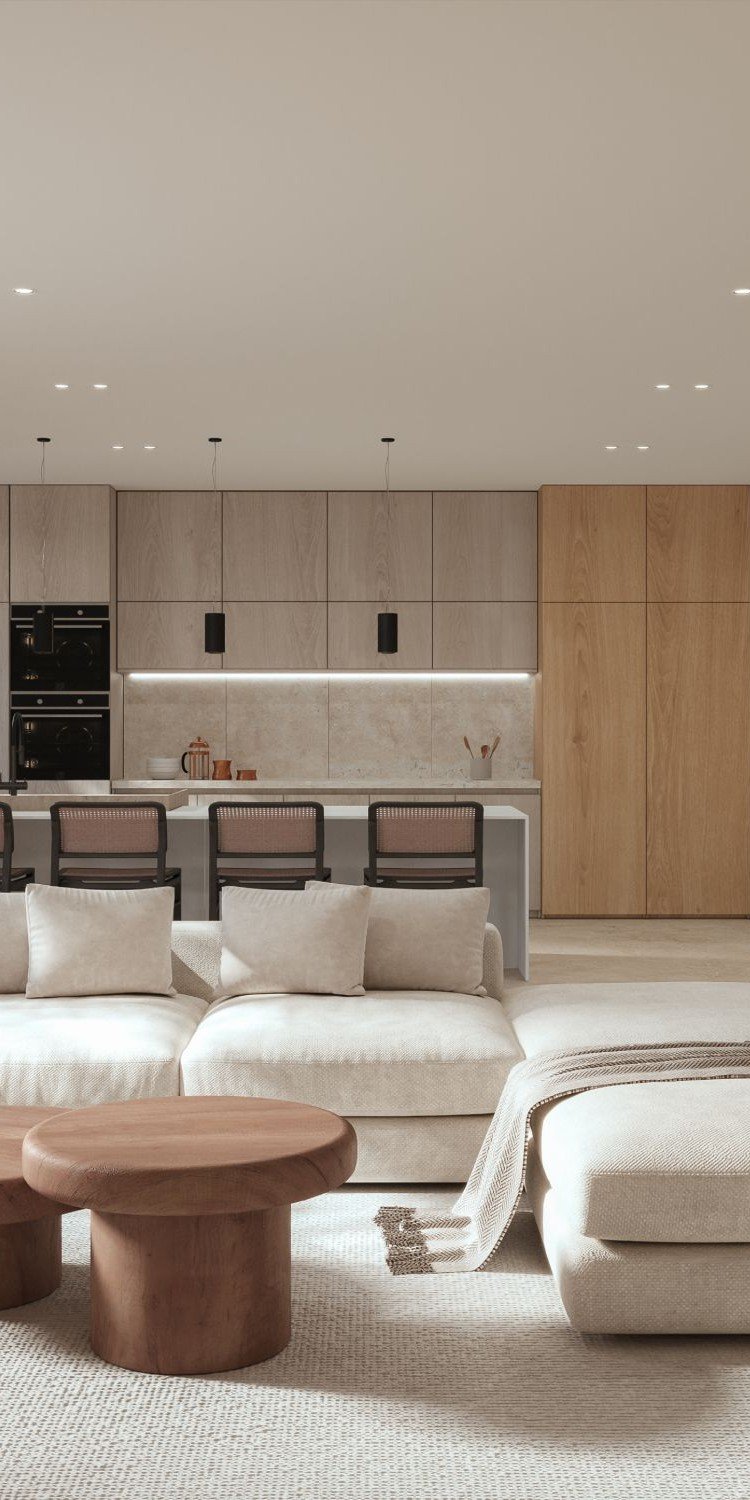
- Open floor plans: Removing walls between kitchen, dining, and living areas remains the most consistently requested structural change in East Valley homes, and it tends to have a strong visual impact on buyers
Step 4: Hire the Right Contractor
The contractor decision is the renovation decision that matters most, and it's the one homeowners most often rush. In Arizona, any contractor working on projects over $1,000 must be licensed with the Arizona Registrar of Contractors — verifying that license before signing anything is non-negotiable.
How to vet and hire a contractor in Arizona:
- Verify the ROC license at the Arizona Registrar of Contractors website — you can search by name or license number and confirm the license is active and in good standing
- Confirm the contractor carries general liability insurance and workers' compensation — ask for certificates of insurance, not just their word
- Check references from past clients on comparable projects — a contractor who does great kitchen work may not be the right choice for a structural addition
- Get a detailed written contract that specifies scope, materials, payment schedule, timeline, and process for handling change orders
- Be cautious of contractors who ask for a large upfront payment — standard practice in Arizona is a reasonable deposit with progress payments tied to project milestones
- Pull your own permits when possible — in Arizona, homeowners can pull their own permits for projects on their primary residence, which gives you direct visibility into the inspection process
Step 5: Plan for Living Through It
If you're staying in your home during a renovation, the disruption is real and worth planning for rather than discovering mid-project.
Practical tips for living through a remodel:
- Set up a temporary kitchen if you're doing a full kitchen renovation — a microwave, electric hot plate, and mini-fridge in the garage or spare room goes a long way
- Move children, pets, and sensitive family members out for phases involving heavy dust, chemical finishes, or loud demolition
- Establish a clear communication schedule with your contractor — a daily check-in during active construction and a weekly written progress update keeps projects on track and reduces surprises
- Identify which areas of the house will be off-limits during each phase and make that arrangement explicit with everyone in the household
- Schedule the noisiest and most disruptive work for times when you're out of the house when possible
FAQ
What renovations have the best return on investment in the Gilbert and East Valley market?
Minor kitchen updates, outdoor living improvements (covered patios, misting systems), bathroom refreshes, and energy efficiency upgrades tend to deliver strong returns in the Phoenix metro. Major structural renovations and luxury finishes that significantly exceed neighborhood comps typically recoup less.
Do I need permits for home renovations in Arizona?
Most structural changes, electrical work, plumbing, and HVAC modifications require permits in Arizona municipalities including Gilbert, Chandler, and Queen Creek. HOA approval may also be required for exterior changes. Working without required permits creates problems at resale — buyers' lenders and inspectors will flag unpermitted work.
How long does a typical home renovation take in the East Valley?
Timeline varies significantly by scope. A bathroom remodel typically runs four to eight weeks. A kitchen remodel runs six to twelve weeks. A full home renovation can take six months to a year. Add buffer time for permit approvals, which in some Arizona municipalities have been running longer than typical.
Sell or Buy Your East Valley Home With Openshaw Real Estate Group
Whether you're renovating to sell or renovating to stay, the decisions you make affect your home's value and your experience in it. At Openshaw Real Estate Group, we help clients across Gilbert, Queen Creek, Chandler, and Mesa make smart calls about their homes — including which renovations to prioritize before listing. Reach out to us to learn more about how we help homeowners prepare and position their homes in the East Valley market and let's talk about your goals.