By Openshaw Real Estate Group
We’ve worked with many homeowners in Queen Creek and beyond who fall in love with the charm of historic homes — the original woodwork, the architectural details, the story behind every room. Decorating a vintage or period home is different from dressing a new build. You want to highlight its unique features while creating a comfortable, cohesive space that works for today’s lifestyle. With thoughtful historic home decor, you can blend old‑world character with modern function in a way that feels both respectful and fresh.
Key Takeaways
- Decorating historic homes means balancing preservation with contemporary comfort.
- Respect original features and work around them rather than hiding them.
- Use lighting, textiles, and layout to create cohesion without erasing history.
Start With a Respectful Plan
When approaching historic home decor, successful projects always start with a clear plan. Historic homes often present structural quirks, different room proportions, and architectural flourishes that can be both a blessing and a challenge.
What to Include in Your Plan
Foundational Considerations
- Identify Original Features: Crown moldings, trim work, fireplaces, built‑ins, and hardwood floors are assets — not obstacles.
- Decide What to Preserve: Know which elements are original to the home’s character and which might be updated for comfort.
- Assess Functionality: Historic homes sometimes have smaller rooms or unusual layouts; plan decor around how you actually live.
A thoughtful plan helps you make choices that support both beauty and usability without erasing the home’s soul.
Highlight Architectural Details
One of the joys of historic home decor is that you already have stunning elements in place — it’s a matter of accentuating them.
Ways to Celebrate Original Architecture
Tips That Work
- Use Color to Frame Details: Paint trim and moldings in a color that contrasts subtly with walls to show them off.
- Maintain or Restore Floors: Refinish hardwood floors when possible; consider area rugs that complement rather than hide original wood.
- Enhance Built‑Ins: Keep built‑in shelves or cabinetry functional with curated décor that doesn’t overwhelm.
When architectural elements are celebrated instead of masked, the home feels intentional and rich with history.
Choose Period‑Appropriate Furniture
While you don’t need to furnish a historic home entirely with antiques, selecting pieces that tie into the home’s era creates harmony.
Combining Old and New Thoughtfully
Furniture Tips
- Explore Vintage Pieces: Occasional antique chairs or tables can anchor a room.
- Balance Proportions: Larger modern sofas can work if you balance them with classic lines or traditional accents.
- Mix Materials: Wood, brass, and natural fibers pair beautifully with historic backdrops.
The goal is not a museum feel, but rather a layered aesthetic where old and new support one another without competition.
Use Color in Ways That Compliment History
Color is one of the most powerful tools in historic home decor, but it requires sensitivity to period and proportion.
Selecting a Palette That Works
Color Strategies
- Historic Reference Points: Research paint palettes from the era your home was built; many manufacturers offer historic color collections.
- Neutral Foundation: Soft neutrals allow architectural shadows and details to shine.
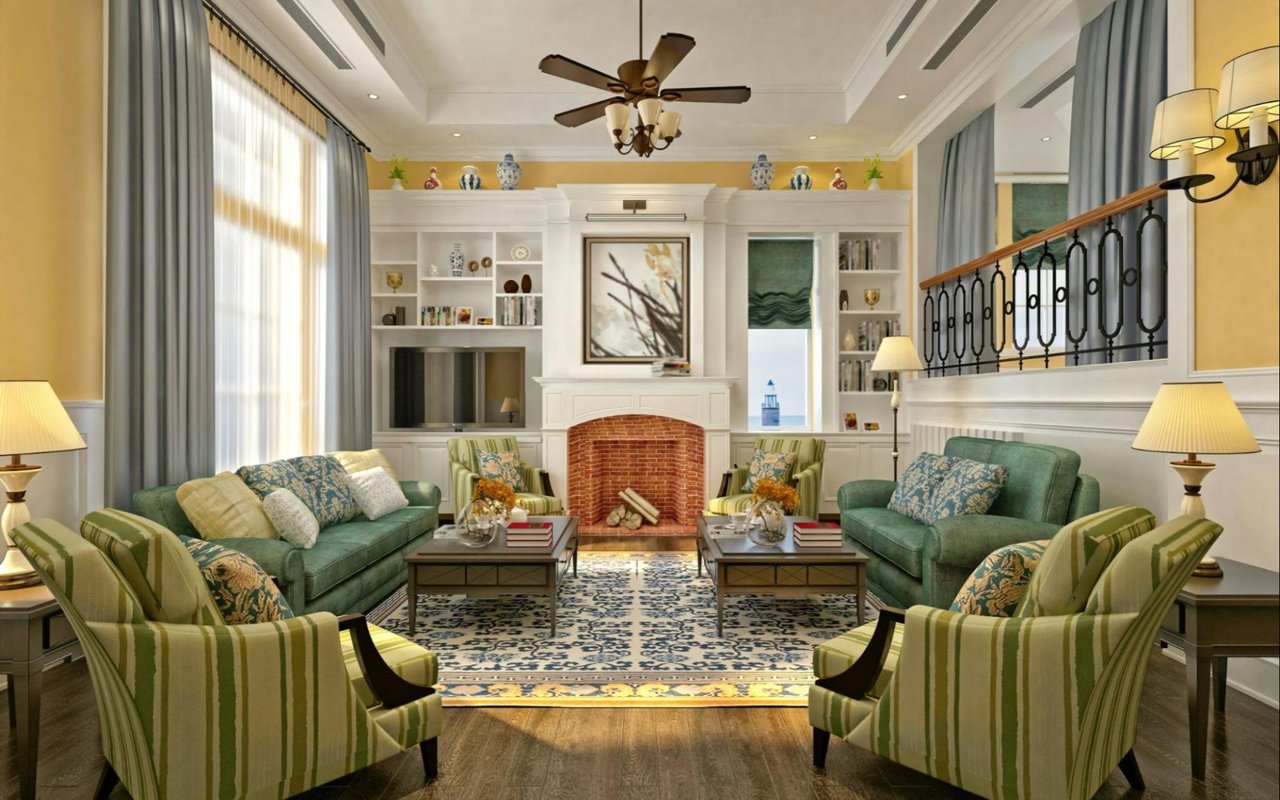
- Accent Tones: Deep blues, rich greens, or warm terracottas can evoke traditional palettes while adding modern depth.
Paint can unify varied rooms and remind buyers or guests that the home is cohesive even amid historic detail.
Layer Textiles for Warmth and Texture
Textiles help soften the formality of a historic home and create spaces that feel welcoming and lived in.
Textile Ideas That Elevate
Practical and Stylish Choices
- Area Rugs: Ground seating areas and protect well‑worn floors, especially in high‑traffic zones.
- Window Treatments: Floor‑to‑ceiling drapery in classic weaves adds height and drama without clashing with period details.
- Throw Pillows and Throws: A mix of natural fibers and subtle patterns adds comfort while complementing architectural character.
The right textiles make historic homes feel richly layered rather than stark or cold.
Balance Lighting for Mood and Period Feel
Historic homes often have beautiful windows and architectural light sources, but they may lack modern lighting that enhances usability.
Lighting Tips That Work
Layered Illumination
- Ambient Lighting: Chandeliers or period‑style fixtures can be paired with modern bulbs for brightness without stylistic clash.
- Task Lighting: Table and floor lamps near seating areas improve function for reading or conversation.
- Accent Lighting: Spotlights or picture lights highlight artwork or architectural features without overpowering the room.
Lighting should feel natural and welcoming while retaining aesthetic harmony with the home’s decorative language.
Curate Art and Accessories With Purpose
Accessories make a space feel personal, but in a historic home they should add narrative without clutter.
Decorating With Intent
Accessory Strategies
- Scale Matters: Small knickknacks can get lost in rooms with high ceilings or large architectural features; choose pieces that feel proportional.
- Art Placement: Select art that echoes or thoughtfully contrasts with architectural style — classic landscapes, subtle abstracts, or traditional portraiture all work depending on your vision
- Vignettes With Meaning: Group a few items with shared story or style on mantels, shelves, or entry tables to create focal points without chaos.
Editing is key: less can feel more when each piece resonates with space and story.
Don’t Hide Unusual Room Shapes
Historic homes often have unexpected room shapes, alcoves, odd angles, or transitions that don’t follow modern open‑plan norms. Rather than forcing them into a contemporary template, embrace these quirks.
How to Work With Unique Layouts
Design Solutions
- Define Zones: Use furniture and rugs to create meaningful areas in odd corners.
- Keep Sightlines Open: Avoid blocking natural architectural transitions with oversized furniture.
- Use Built‑Ins Creatively: Seatings near a niche or decorative shelving in an alcove can turn architectural oddities into assets.
By working with the house instead of against it, you make spaces feel intentional and integrated.
Keep Function in Mind
Flow and comfort matter just as much as style. Historic home decor works best when it enhances how people live without obscuring original design.
Functional Enhancements
Practical Advice
- Flexible Seating: Choose seating arrangements that encourage conversation and comfort in living rooms.
- Kitchen Updates: Respect cabinet lines and original trim while adding modern lighting or hardware for usability.
- Bedroom Layouts: Arrange around architectural highlights like fireplaces or window seats instead of against them.
Historic homes can be livable and lovely when decor supports function as much as form.
FAQs About Decorating an Historic Home
How do I know which features to preserve?
Original woodwork, flooring, fireplaces, and period details typically add value and character — consult a preservation specialist if you’re unsure.
Can I mix modern furniture with historic architecture?
Absolutely. The key is balance. Modern pieces work beautifully when they respect scale and complement, rather than compete with, historic details.
Should I avoid bold colors in a historic home?
Not at all — bold colors can be gorgeous when used thoughtfully as accents or in spaces where the architecture supports drama.
Contact Us Today
Decorating an historic home is a rewarding challenge — one that invites you to celebrate craftsmanship, narrative, and character in every room. We’ve helped many homeowners throughout Queen Creek and surrounding areas create spaces that honor a home’s past while inviting everyday living and modern style.
Reach out today and let us help you bring your historic home’s personality to life with intentional design, thoughtful planning, and smart decorating insight every step of the way.