By Openshaw Real Estate Group
Most East Valley homeowners get the same thing when they buy a new build: a concrete slab, a patch of gravel, and a lot of potential. What you do with that blank slate says a lot about how you want to live in your home — and it has a real effect on what that home is worth when it's time to sell. Knowing how to renovate a backyard in Arizona means working with the desert climate, not against it, and making choices that hold up through summers that average well over 100 degrees.
Key Takeaways
- Arizona backyard renovations succeed when they prioritize shade, water efficiency, and durable materials
- Pergolas, covered patios, and shade sails are among the highest-impact investments for East Valley homes
- Desert-adapted landscaping reduces long-term water costs and maintenance while adding genuine curb appeal
- Outdoor kitchens, fire pits, and resort-style patio areas consistently rank among the upgrades that add resale value in this market
Start With Shade
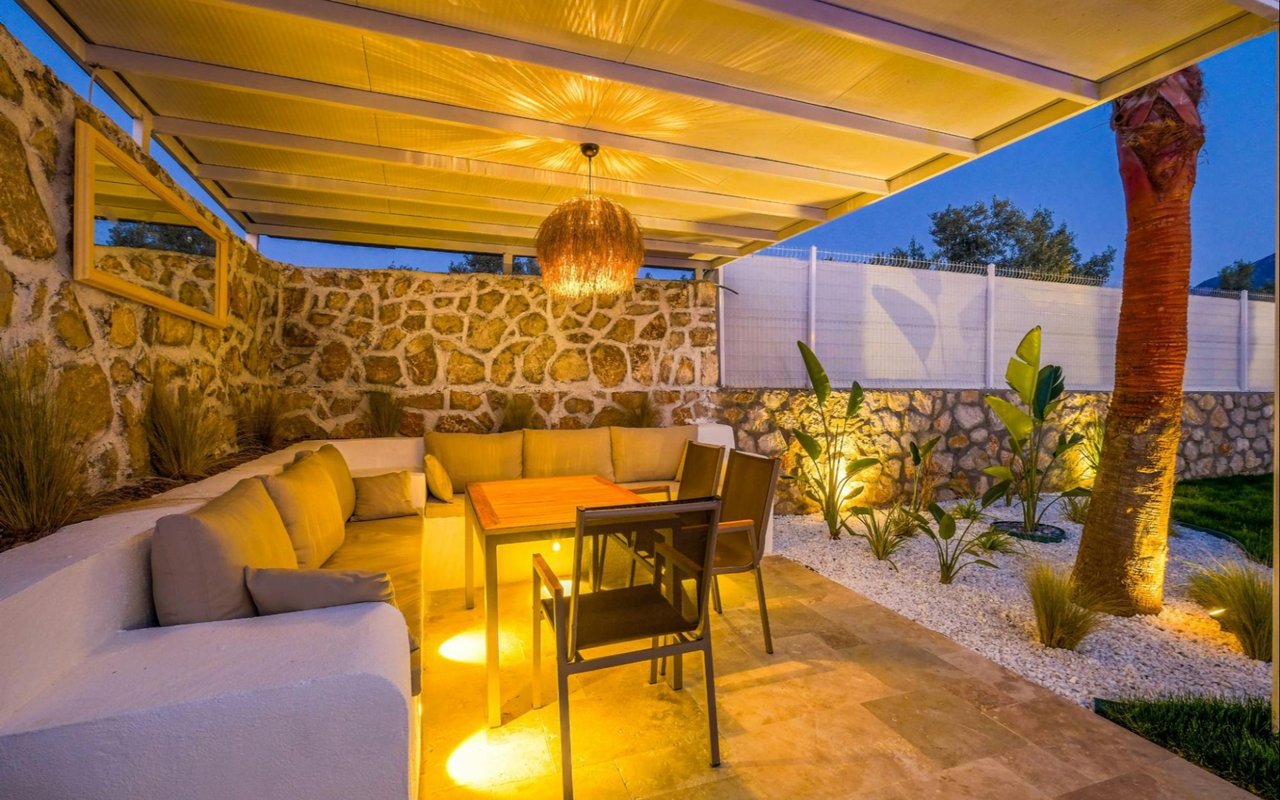
In the East Valley, shade isn't a luxury — it's the foundation of any livable outdoor space. Without it, a beautifully designed patio becomes unusable from May through September. This is where most Arizona backyard renovations should start.
Pergolas, ramadas, and louvered shade systems are the most popular choices in the Queen Creek and Gilbert market. Each serves a slightly different purpose: pergolas offer partial coverage and work well for climbing plants and evening stargazing, while ramadas and solid-roof structures are better suited for housing outdoor furniture and appliances year-round.
Pergolas, ramadas, and louvered shade systems are the most popular choices in the Queen Creek and Gilbert market. Each serves a slightly different purpose: pergolas offer partial coverage and work well for climbing plants and evening stargazing, while ramadas and solid-roof structures are better suited for housing outdoor furniture and appliances year-round.
Shade structure options worth comparing:
- Alumawood pergolas are designed for desert climates and expand the feel of your indoor living space outward
- Gazebos provide full overhead coverage and work well as anchored outdoor dining or lounge areas
- Shade sails are a lower-cost option that can meaningfully reduce surface temperatures on patio hardscape
- Desert-adapted shade trees like palo verde planted strategically provide long-term natural shade
Choose the Right Hardscape
The surface material in your outdoor space matters more in Arizona than in most other climates. Dark concrete absorbs heat and radiates it back well into the evening. Lighter-colored options like travertine, porcelain pavers, and pale natural stone reflect sunlight and stay significantly cooler underfoot.
Paver patterns also do more work than aesthetics alone. Herringbone and diagonal layouts can make a compact patio feel larger, which is useful in the tighter lots common in newer East Valley subdivisions.
Paver patterns also do more work than aesthetics alone. Herringbone and diagonal layouts can make a compact patio feel larger, which is useful in the tighter lots common in newer East Valley subdivisions.
Hardscape materials that perform well in the East Valley:
- Travertine and light-colored porcelain pavers stay cooler and resist staining
- Decomposed granite remains a low-maintenance, water-permeable option for larger areas
- Paver patios raise property values and provide a stable surface for outdoor furniture and entertaining
- Flagstone paths, especially locally quarried buff or peach tones, blend naturally into desert surroundings
Landscape for the Desert
Arizona landscaping works best when it starts with what the climate wants to give you. Native and desert-adapted plants require less water, less maintenance, and far less effort to keep looking good than species imported from wetter climates.
Palo verde, brittlebush, agave, and globe mallow are among the plants that give Queen Creek and Gilbert yards genuine character without demanding constant irrigation. Pairing them with boulders, dry creek beds, and decomposed granite creates a layered look that reads as intentional rather than minimal.
Palo verde, brittlebush, agave, and globe mallow are among the plants that give Queen Creek and Gilbert yards genuine character without demanding constant irrigation. Pairing them with boulders, dry creek beds, and decomposed granite creates a layered look that reads as intentional rather than minimal.
Desert landscaping choices that hold their value:
- Native plant groupings anchored by palo verde or desert willow for structure and height
- Dry creek beds that serve both a drainage function during monsoon season and a design purpose year-round
- Drip irrigation systems that deliver water directly to root zones, reducing waste and lowering water bills
- Xeriscape designs that qualify for municipal rebate programs in several East Valley cities
Add Outdoor Living Features
Once the shade and surface questions are answered, the upgrades that have the strongest return in the Arizona market tend to be the ones that extend your home's livable square footage outward. Outdoor kitchens, fire pits, and resort-style lounge areas are consistently in demand among Queen Creek and Gilbert buyers.
A built-in BBQ with a bar counter, sink, and refrigeration turns a patio into a gathering space that gets used year-round — not just during the mild months. Fire pits extend evenings into the cooler seasons and add an ambient focal point that photographs well when it's time to list.
A built-in BBQ with a bar counter, sink, and refrigeration turns a patio into a gathering space that gets used year-round — not just during the mild months. Fire pits extend evenings into the cooler seasons and add an ambient focal point that photographs well when it's time to list.
Outdoor features with strong returns in the East Valley:
- Built-in BBQ and outdoor kitchen setups, particularly those with covered shade overhead
- Gas fire pits that can be used through the fall and winter seasons
- Putting greens and artificial turf, which eliminate irrigation costs and deliver a resort-like finish
- LED landscape lighting that increases safety, highlights plantings, and extends the usability of the yard after dark
What to Avoid
Some of the most common backyard renovation mistakes in Arizona come down to skipping the planning phase. Installing a water-loving plant palette, choosing dark hardscape materials, or designing without a drainage plan for monsoon season can all create expensive problems within a few years.
Mistakes that cost homeowners money:
- Overcrowding the space with features that need buffer room to breathe
- Skipping a drainage assessment before installing hardscape, especially in flatter yards
- Choosing plants suited to a wetter climate that will require expensive water or eventually fail
- Underestimating shade requirements and installing furniture that becomes unusable by June
FAQs
Does a backyard renovation actually increase home value in Queen Creek?
Yes, particularly for outdoor kitchens, covered patios, and resort-style features. Buyers in the East Valley consistently place a high premium on functional outdoor living space, and a well-executed backyard renovation can meaningfully improve both sale price and days on market.
Do I need permits for backyard work in Queen Creek?
It depends on the scope. Recreational fire features like fire pits and BBQ islands generally don't require permits in Maricopa County, but structural additions like pergolas, pools, and outdoor kitchens typically do. Check with the Town of Queen Creek's building department before breaking ground.
What's the best time of year to start a backyard renovation in Arizona?
Fall and early winter are ideal. Starting between October and February gives contractors access to dry weather, cooler temperatures for labor-intensive work, and enough lead time to have your space ready before the spring entertaining season.
Upgrade Your Queen Creek Property With the Openshaw Real Estate Group
Whether you're renovating to enjoy the space or preparing to list, backyard upgrades in the East Valley have a clear effect on how buyers respond to a home. We work with homeowners across Queen Creek, Gilbert, and the surrounding area at every stage of the process.
Reach out to us to learn more about how we help East Valley homeowners prepare and position their homes for sale.
Reach out to us to learn more about how we help East Valley homeowners prepare and position their homes for sale.