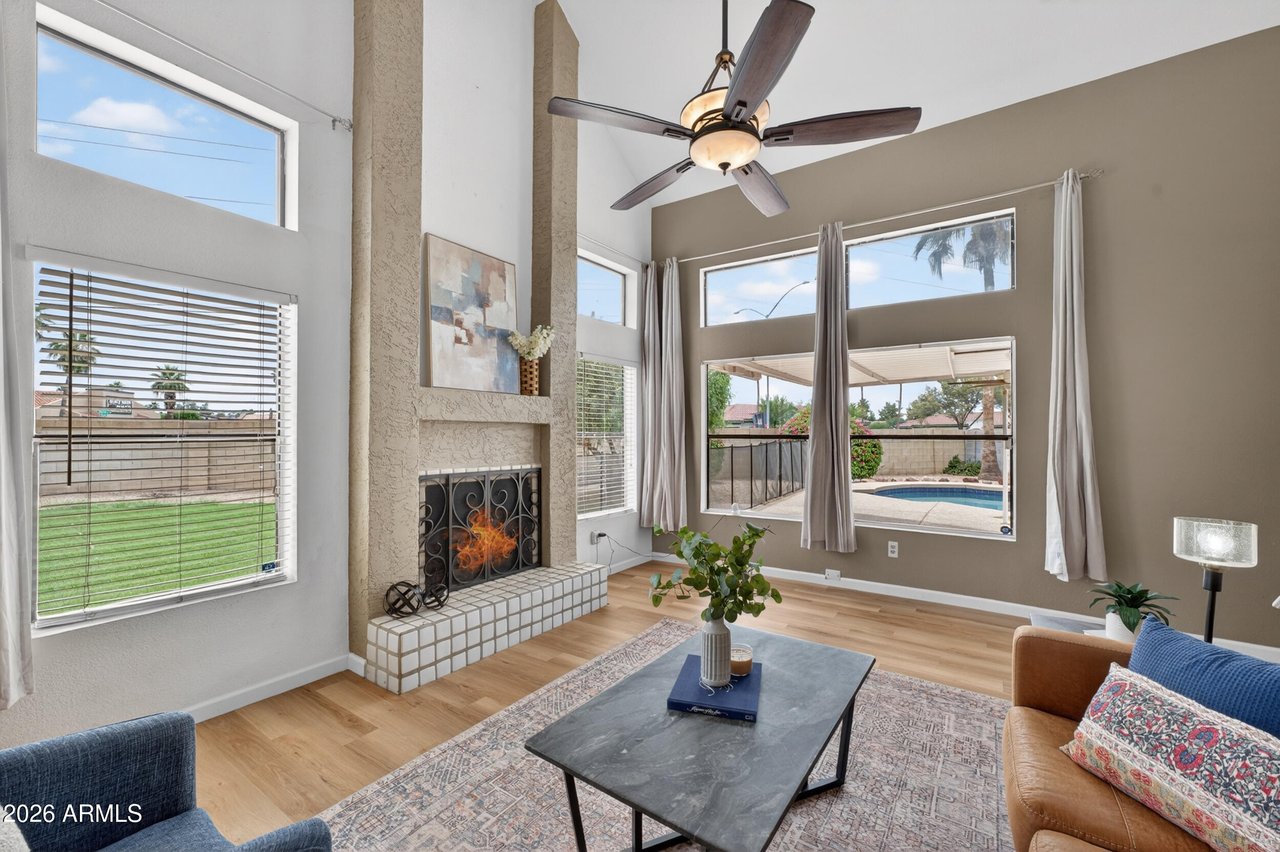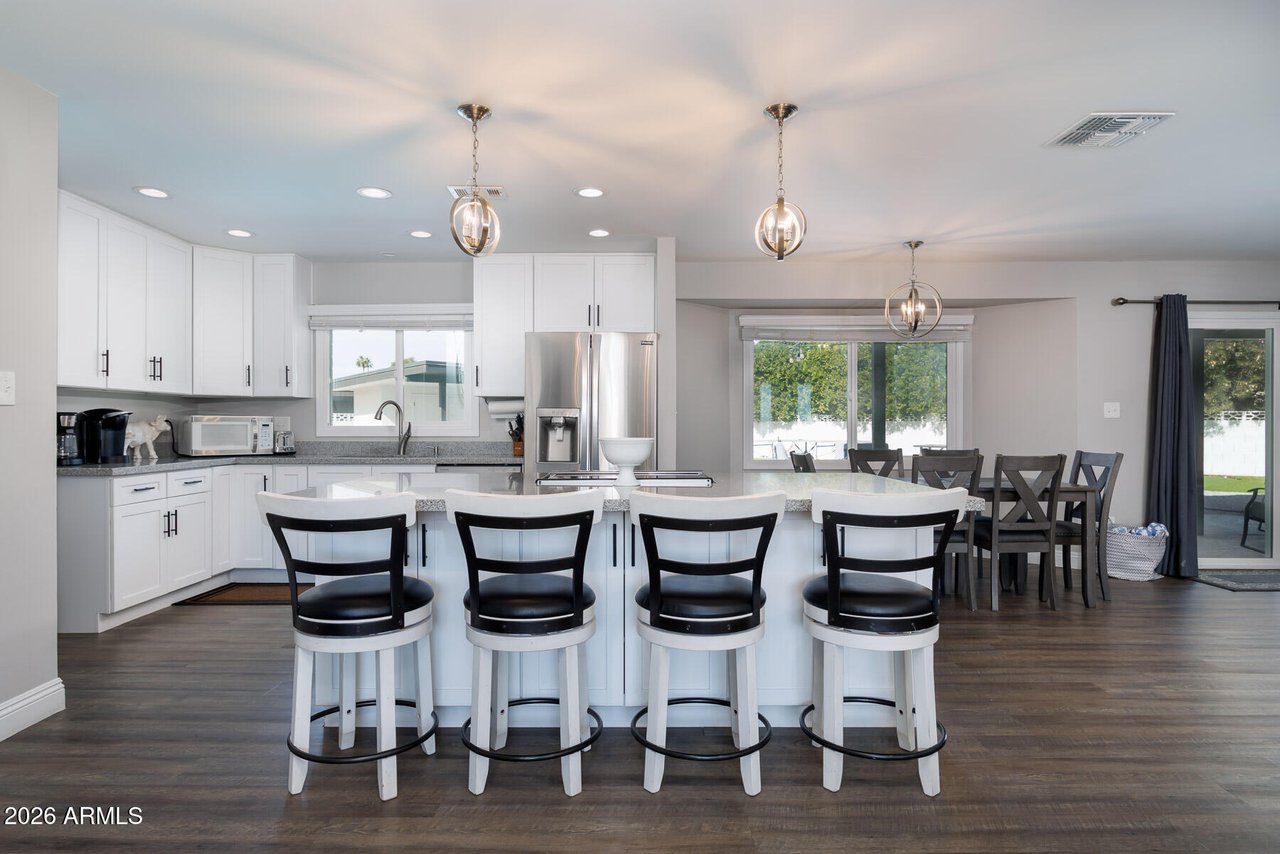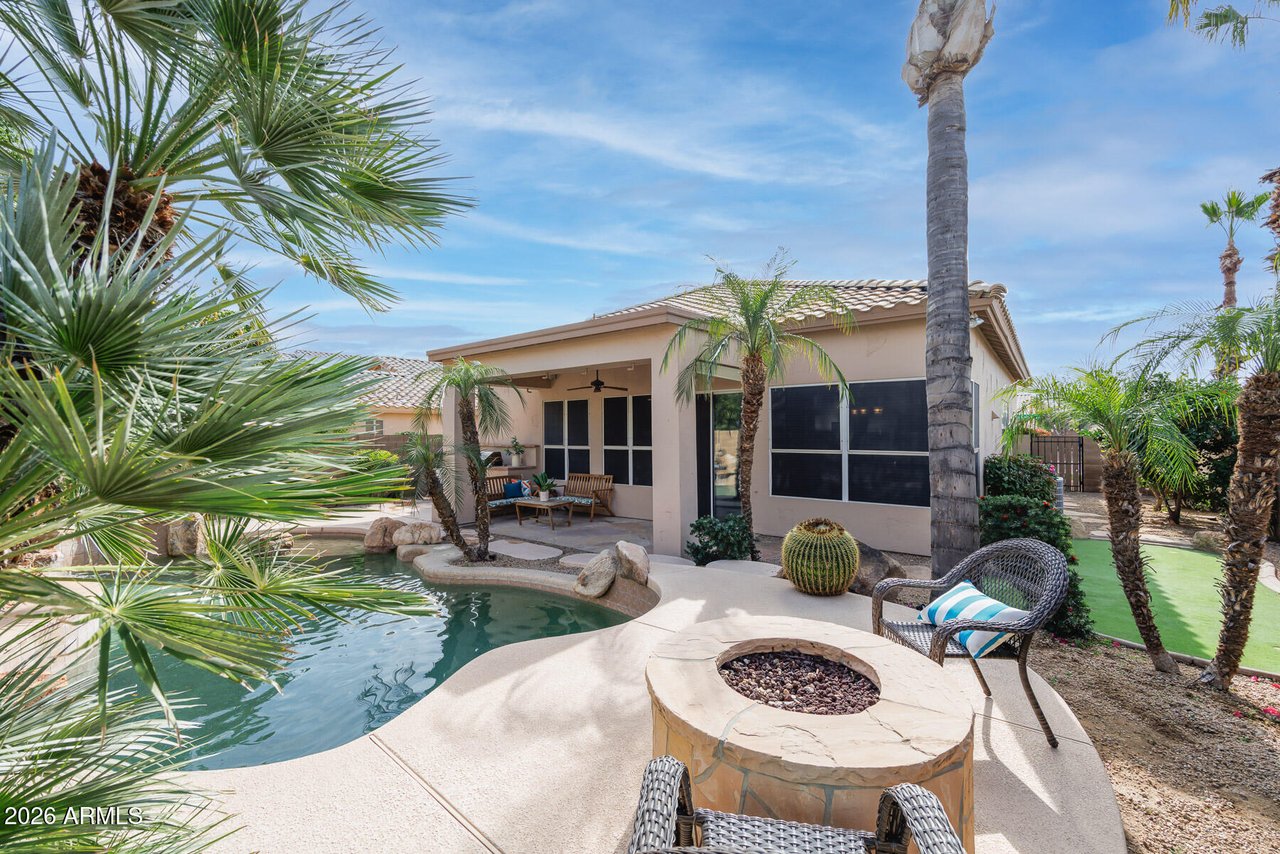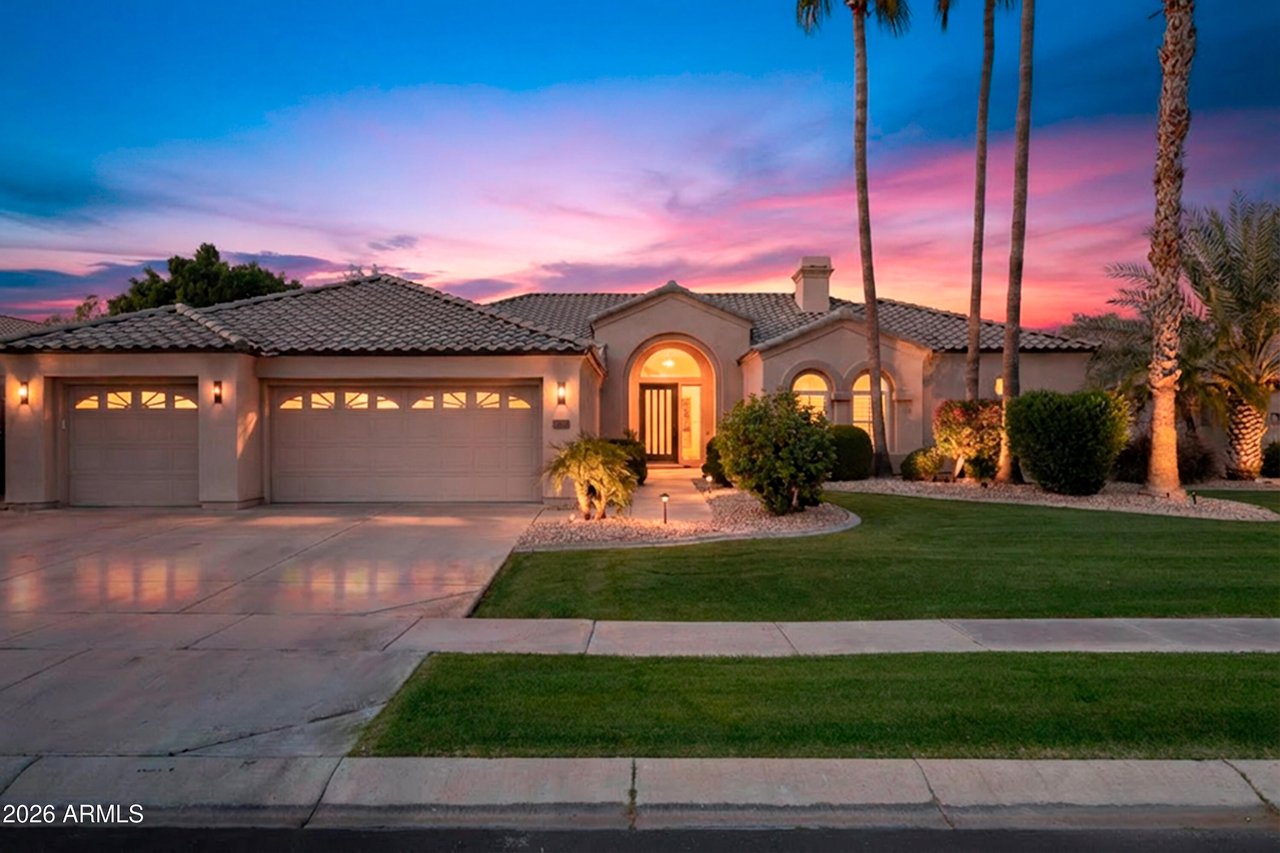
The home was listed in the fall. Fully renovated. Wide plank oak floors. An oversized island. Updated cabinetry throughout. It was gorgeous, and it was priced at $1.5 million because a neighborhood specialist said it could get that.
It didn't. Two hundred days passed. The price dropped to $1.35 million. No offers. The feedback was always the same — buyers loved the finishes but couldn't see where an office would go, or a child's room, even though the layout had the space for both. The sellers canceled the listing. By then they'd already bought a home in Oklahoma. Two mortgages. Two houses. One of them is empty and waiting.
Our team took over in March. First, a conversation about pricing — because a home still has to appraise, no matter what number gets it under contract. The comps didn't support $1.5 million. They never had. The sellers agreed to list at $1.25 million instead, and we staged the home to answer the objection directly. One room became a child's bedroom. One of the bonus rooms became an office. Buyers didn't have to imagine it anymore. They could just see it.
The home sold in a weekend. Two offers, both over list. The sellers accepted $1.265 million and kept a backup offer through the entire escrow — one that ended up higher than the accepted offer. That backup gave them leverage through inspections. No repairs. No credits. Fifty days after listing, the home closed. The sellers moved on to the life they'd already started building in Oklahoma, without a second mortgage following them there.
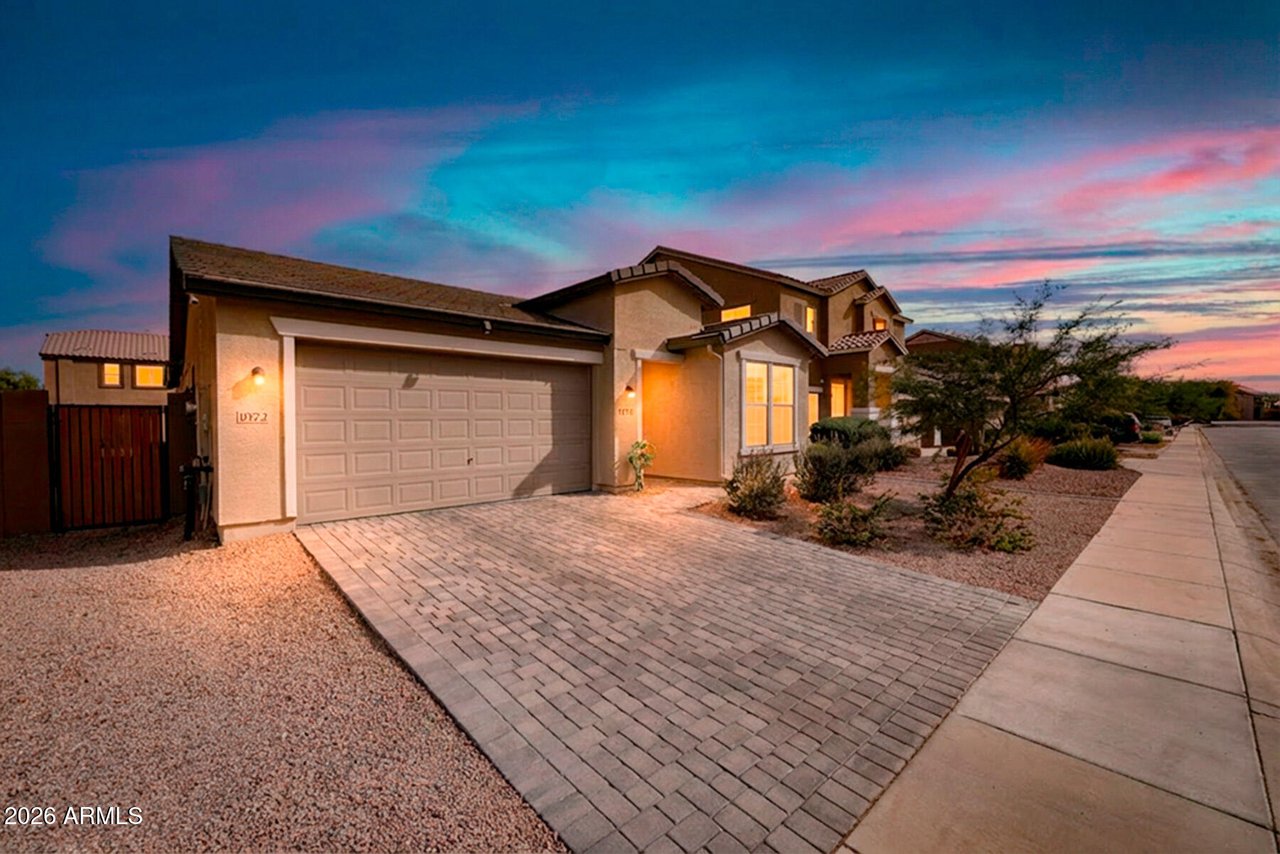
The sellers had been on the market with another agent for 199 days. Twice. They needed to move, and the reason mattered — he had cancer, and the treatment was in Scottsdale. Ninety minutes each way, three hours round trip, every time. They'd bought the home new about three years earlier, so there wasn't much equity to work with. Every dollar of the sale had to count.
When our team took over, we started with what the last listing had missed. No staging. No thought given to how the home showed online. The house was a single story surrounded by two-story homes on every side, so we pulled every photo that showed the neighbors, made sure buyers saw the house first, and staged it properly for the first time. Under contract in 40 days.
The buyer needed concessions. The sellers didn't have room to give them without raising the price, so we raised it — then made sure the appraiser had a full list of upgrades to back the number up. Negotiations came down to $1,000. We asked the sellers directly: is $1,000 worth staying in Casa Grande instead of getting to Scottsdale? That question ended the back and forth. We adjusted the concessions, raised the price, reduced the buyer's agent commission, and closed the gap. The sellers didn't write a check at closing — a rare outcome for anyone who bought in 2023 and is selling into today's market. They're in Scottsdale now, near the clinic, off the three-hour round trip for good.
The seller was loyal to the agent who'd sold her the home — a common instinct, but loyalty and results aren't the same thing. She'd been on the market 186 days at $419,000, gone under contract twice, and watched both deals fall apart. The home was never staged. An upstairs loft, open to the floor below, technically counted as a room, but buyers walked through and saw two bedrooms instead of three. Appraisers saw it too. Nothing to soften what wasn't finished, nothing to distract from what needed work — just the bare bones, every flaw on display.
When she hired our team, we listed at $415,000, a half percent below her old price, and staged the loft as a third bedroom. Twenty showings the first weekend. We kept the staging up through the final walkthrough, and the difference showed — this time repairs came in around $2,000, the home appraised, and it closed. Forty days from list to close. She netted more than she'd expected walking in, on a home that had already failed under contract twice at the same price. The only thing that changed was how it was presented.
The home was an Airbnb, and it was a good one — great location, strong revenue, owners who lived right next door and had no interest in the next buyer running it the same way. Another agent had it listed for 153 days and couldn't get it sold. The problem was obvious once you looked at it: nobody wants to lose booking revenue every time a buyer wants a showing, and nobody had solved for that.
So we didn't run it like a normal listing. Every showing request went through us first. Instead of scattering visits across weeks of lost bookings, we held the property for three weeks, let no one in, then opened it to every interested group at once. Out of sixty days on market, the Airbnb sat empty for four. Everything else stayed rented. We went under contract, held the line through inspections — no repairs, an expectation we set from day one — and closed. The buyers were the neighbors who'd wanted it all along. They also happened to be commercial agents, and they liked the process enough to send us a referral for a friend buying in Phoenix.
The Green family bought their home in 2024 for $560,000, and two years later they wanted to move back to Texas to be near family. Mathematically, the numbers didn't work. Phoenix wasn't appreciating at the normal 4% a year — some areas were depreciating — and after paying commission and costs, they'd likely have to write a check to leave. They'd already tried once, listing with another agent at $575,000 for 96 days with no success, and had decided that if they couldn't get their number, they simply wouldn't move.
So we asked different questions. Why Texas — was it really about being near family, near cousins, so the kids could grow up with them? Yes. When was the last time they'd had a date night? They looked at each other and laughed — with no family nearby to help, they hadn't had one since moving to Arizona. The down payment they thought they needed for a new house in Texas wasn't actually required if they rented for a year first while they figured out their next step — an option they'd never considered. Once they saw that Glendale prices were trending down, not up, waiting for a better market stopped looking like a plan and started looking like a risk. We staged the home, set the table settings so buyers could picture their own families at Thanksgiving, brought in professional photography and video, and had an offer within 21 days. The Greens are in Texas now, near family, with their kids starting school in August in the district they wanted. They took a smaller net on this house than they'd hoped for — but across the four homes they've owned, they've still come out tens of thousands of dollars ahead. Real estate isn't a single transaction. It's a lifetime investment, and sometimes getting to the goal means taking a step sideways first.